Dongguan Jingye Spring Machinary Co.,Ltd. Loding...

Custom Wire Forms: A Guide to Materials, End Types, and Manufacturing Methods

In modern manufacturing, securing high-quality, application-specific wire forms is essential. Choosing a custom wire form design tailored to your exact operational requirements ensures optimal product performance, cost efficiency, and customer satisfaction.

Because wire form manufacturing supports a broad spectrum of materials, shapes, and precise specifications, understanding your options allows you to achieve the perfect balance between functionality and budget.

Key Wire Form End Options


When specifying a custom wire form, the finishing option on the wire end is a critical design factor. The chosen end type directly impacts how the wire interacts with other components in your assembly. Common end styles include:

Machine-Cut: Clean, straightforward square-cut edges ideal for standard fits.
Chamfered: Beveled edges that remove sharp burrs, making insertion into mating parts easier.
Chisel-Point: Tapered ends designed for piercing or easy wedging into target materials.
Ball Ends: Smooth, rounded tips that prevent snagging and reduce wear on contact surfaces.
Turned Ends: Formed or bent tips tailored for mechanical interlocking or securing.


Manufacturing Processes & Wire Form Varieties


Manufacturers utilize several key techniques to produce flat, round, and complex 3D wire shapes from various metals:

Coiling: Wire is continuously wrapped around a mandrel or rod to create springs, coils, and flexible rings.
Roll Forming: Wire passes through a series of contoured rollers to reshape standard round stock into flat, oval, or custom profile shapes.
Metal Stamping: A specialized mechanical press shapes, cuts, or indents the wire to achieve tight tolerances and high repeatability.
Welding & Assembly: Heat and pressure (often with filler metal or resistance spot welding) fuse multiple wire components together into complex 3D structures.


Selecting the Right Custom Wire Form


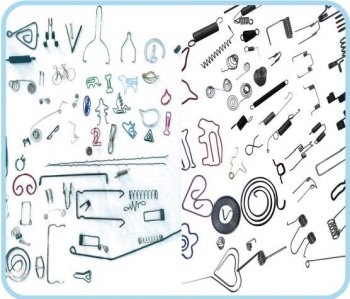
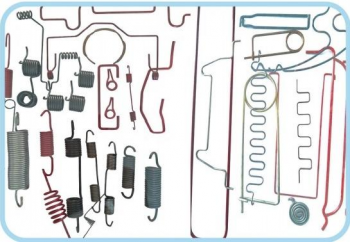
Wire forms are fundamental components in everyday life—ranging from household appliance elements like stove burner grates to complex automotive and industrial assemblies.

When partnering with a custom wire forming manufacturer, they will typically review your blueprints, load requirements, and application goals. Many manufacturers can also provide prototype samples to verify fit and function before entering full production. Investing in the right custom design ensures greater reliability, reduced production costs, and superior end-product quality.

Share