Dongguan Jingye Spring Machinary Co.,Ltd. Loding...

CNC vs. Manual Spring Machines: Key Differences Explained

Choosing between a CNC spring coiling machine and a manual spring machine comes down to balancing production volume, precision needs, and budget. Here is a breakdown of how the two technologies compare across essential operational factors. 

Automation vs. Manual Operation
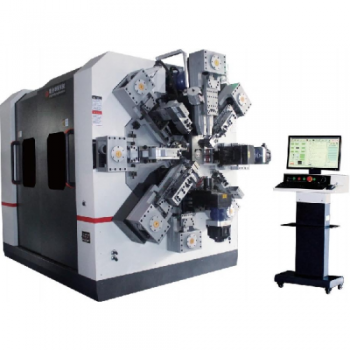
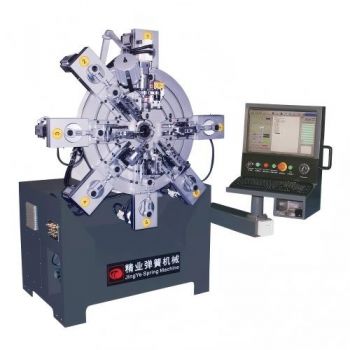
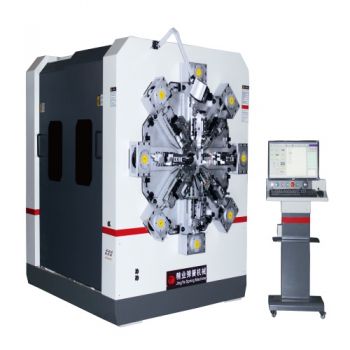
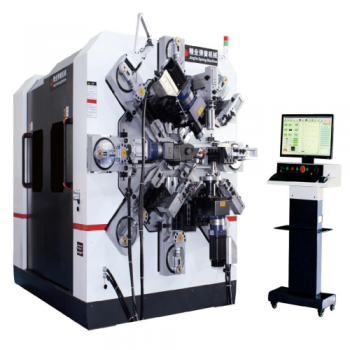
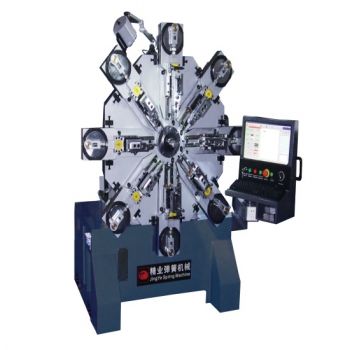
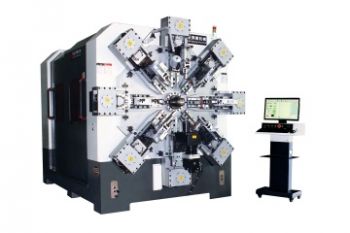
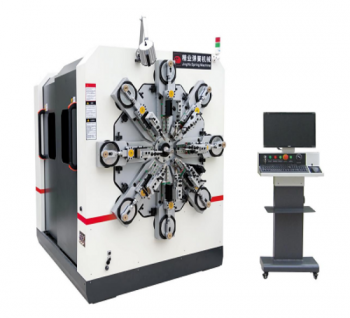
CNC Spring Machines: Fully computer-controlled. Once programmed, they automate the entire coiling process without requiring continuous human oversight. 
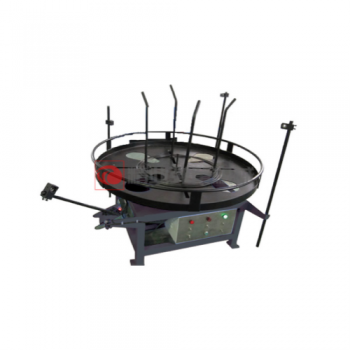
Manual Spring Machines: Operator-dependent. An operator must manually manage every step—from feeding the wire to adjusting tension and guiding the coiling head. This extra human involvement increases labor demands and the potential for human error. 
2. Precision and Consistency
CNC Spring Machines: Built for exact tolerances. Computerized control ensures every spring matches identical specifications, making CNC ideal for industries with strict dimensional requirements. 
Manual Spring Machines: Heavily dependent on operator skill. Even master technicians can introduce subtle variations between parts, making high-level consistency difficult to replicate across large batches. 
3. Speed and Production Efficiency
CNC Spring Machines: Engineered for high-speed, continuous operation with minimal downtime. They excel in high-volume industries like automotive and aerospace where tight deadlines and high demand are standard. 
Manual Spring Machines: Slower and step-intensive. While perfectly suitable for small runs or custom jobs, their lower production speeds create bottlenecks and longer lead times in large-scale manufacturing. 
4. Design Flexibility
CNC Spring Machines: Highly adaptable. Operators can quickly switch programs to manufacture complex, intricate, or highly specialized spring geometries. 
Manual Spring Machines: Design adjustments are time-consuming and require deep operator expertise, making frequent design changes or complex shapes significantly harder to achieve. 
5. Upfront vs. Long-Term Cost
CNC Spring Machines: Require a higher initial investment. However, they lower long-term costs through reduced labor, faster output, and lower scrap rates, delivering strong ROI for high-volume producers. 
Manual Spring Machines: Offer a lower entry price, making them attractive for smaller shops or low budgets. However, higher ongoing labor costs and potential production errors can offset those initial savings over time.                                                                                                                                           


Share