Dongguan Jingye Spring Machinary Co.,Ltd. Loding...

How Are Springs Made? Helical ,Compression,Torsion Spring ... etc. Manufacturing

Spring fabrication can be understood by looking at the three primary process steps involved. Modern manufacturing equipment makes the manufacturing process seamless once the tooling setup is complete to the exact dimensional requirements.

Spring Winding
The manufacturing process employed to wind the wire into the helical coil configuration is called the spring winding process.

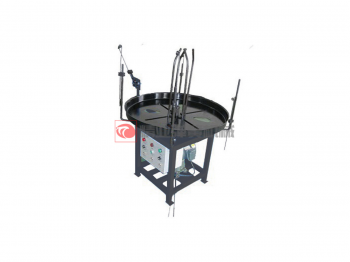
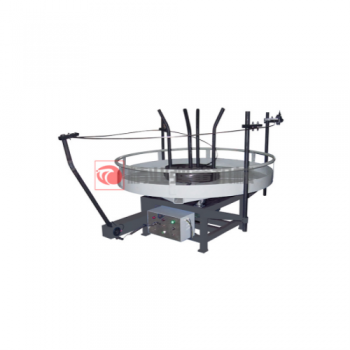
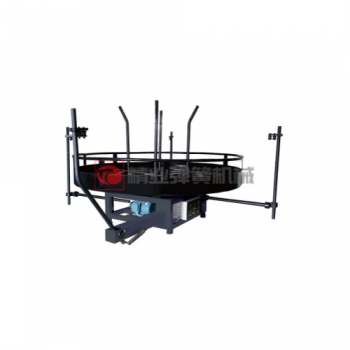
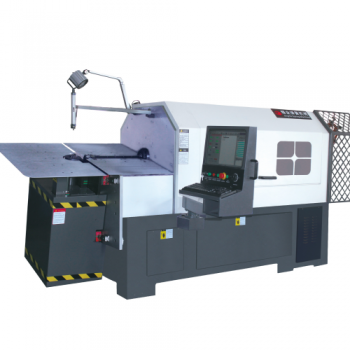
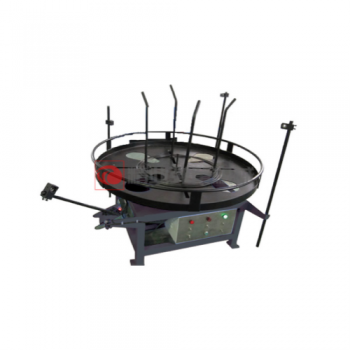
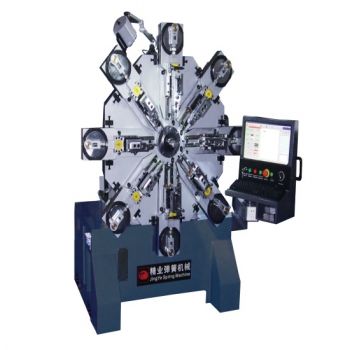
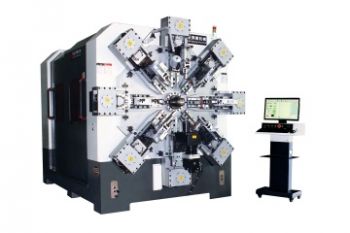
Coiling: A coiling machine pulls the straight wire into rollers that draw the spring wire into tooling called guide sets, which gently shape the wire into a helical shape as it is pulled through the machine. Coiling can be used to make compression, extension, and torsion springs.

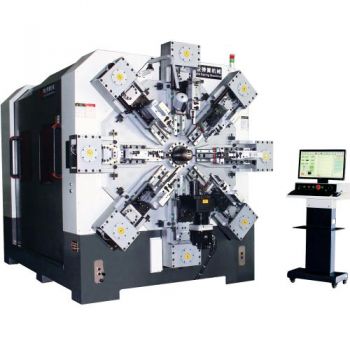
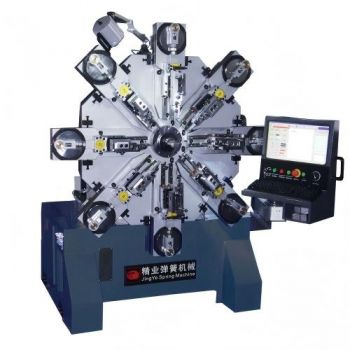
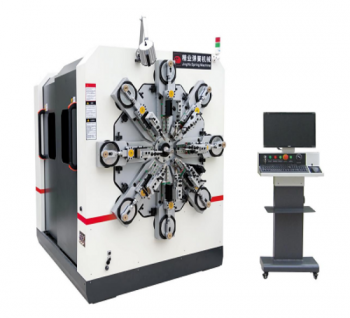
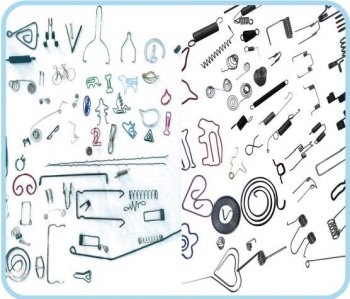
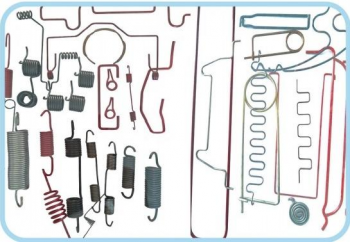
Forming: A forming machine contains multiple tooling slides configured in different axes and configurations. These tooling pieces form the wire into a helical coil using a series of forming operations that cold-work the wire in abrupt tool motions. Forming machines are commonly used to fabricate springs with unique end types, such as double torsion springs or extension springs with loop end configurations.

Heat Treating and Stress Relief
Before detailing the stress relief operations, it’s important to note that the coiling and winding processes detailed above are cold-forming (meaning no heat is applied) processes that introduce stress into the part because of large deformations performed at room temperature.

After forming, the spring undergoes stress relief at an elevated temperature, which is designed to relieve the stresses imparted during the winding process. Stress relief is performed on most springs fabricated from music wire and 302/316 stainless steel. However, other materials, such as 17-7 stainless steel springs, undergo a precipitation hardening (commonly called “aging”) heat treatment.

In general, for both aging and stress relief heat treatment, the springs are heated to an elevated temperature for a prescribed timeframe. Heat treatment is performed by a large conveyor belt that moves large quantities of springs into a large furnace. The conveyor speed is configured to allow the springs to hold the temperature for the specified time frame. Large stationary ovens with higher heating temperature capabilities are also commonly used to batch heat treat springs.

Secondary Operations and Finishing

Grinding: The compression spring ends may be ground to allow them to stand flat and straight in the application. Grinding usually produces flat seats around 270° of the end coil circumference. However, customers can specify the exact amount of ground needed. These seats are nominally perpendicular to the spring axis and parallel to each other. In some cases, the thickness of the wire after the grind and the surface roughness of the grind are specified.

Surface Finishing Operations: Additional surface protection is sometimes desired to protect the spring in corrosive environments or high-load, high-vibration applications. Commonly specified secondary operations include shot peening, plating, and powder coating. Another important surface treatment worth mentioning is passivation, which is a non-electrolytic process used to create a protective oxide layer on the spring surface.

Presetting: Presetting is an important secondary operation that involves compressing the spring to its solid height or a given load point usually three times in succession to remove “the set” from the spring. This operation is performed when the spring is overstressed at its solid height or a given load point. This introduces “preset” stress into the spring, which increases its fatigue life and allowable stress limit. To learn more about the pre-set process please contact our experienced engineers.

Share